Skip to product information
1 of 6
In stock
Shipping now

Persian 'Bearss' Lime Tree

Seedless and effortless to slice, squeeze, or zest

Size
Trusted by 4M+ Gardeners
Grow Guarantee
Fast Shipping
Secure
Shipped from Asheville, NC

About the Variety

New

Key Features

Heat Tolerant
Attracts Bees
Attracts Butterflies
Container Friendly
Fragrant
Edible
Challenging but Rewarding

Plant Details

BOTANICAL NAME

Citrus latifolia

LIFE CYCLE

  • Perennial

SEED TYPE

  • Live Plant

LIGHT REQUIREMENT

  • Full Sun

BLOOM SEASON

  • Spring - intermittent blooms year-round

GROWTH HABIT

  • Compact
  • Upright

COLOR

  • Green
  • Yellow

MATURE SIZE

  • 8 ft. x 5-10 ft.

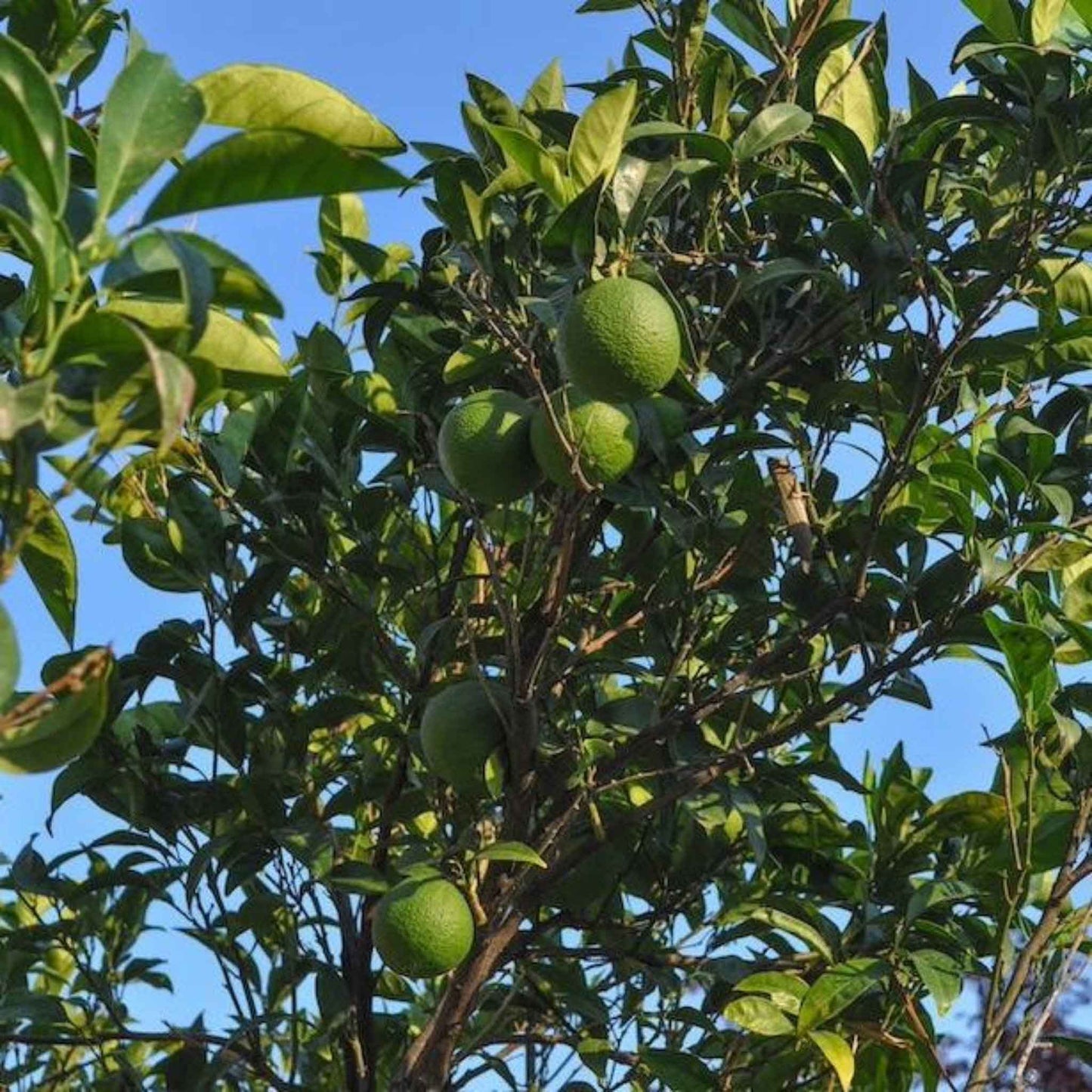
The lime you find at most grocery stores is the Bearss lime, a Persian lime, prized for its larger, seedless fruit and balanced flavor. Homegrown, it's even better, producing deep green, thin-skinned limes that are exceptionally juicy and easy to zest. Milder and less acidic than Key limes, Bearss limes deliver bright citrus flavor without the intense tartness, making them perfect for everything from cocktails to cooking.

Glossy, evergreen, and pleasantly fragrant in bloom, the Persian Bearss Lime earns its place outdoors in warm regions or in a container that summers on a sunny patio and overwinters inside where frost threatens.

This item is excluded from coupon codes and site-wide promotions.

Available across most of the U.S. — except AK, AL, AZ, FL, HI, TX.

  • • Smooth acidity that brightens food and drinks without overwhelming them
  • • Healthy trees fruit nearly year-round in warm climates
  • Hybrid vigor and adaptability to containers keep it happy on a patio or in a bright room

Planting Information

PLANTING SEASON

  • Spring
  • Summer
  • Fall

PLANTING DEPTH

  • Plant at the same depth as the container

WATER NEEDS

  • Average

PLANT SPACING

  • 7 to 12 feet

HARDINESS ZONES

  • 8
  • 9
  • 10
  • 11

Planting Guide

Companion Plants

1 of 3

Persian 'Bearss' Lime Tree FAQs

How is a Persian Bearss lime different from a Key lime?

The Bearss is larger, seedless, and milder, while the Key lime is small, seedy, and sharply tart. Bearss fruit runs two to three times the size with thinner skin and more juice per fruit, and its acidity is rounder and less puckering. It's also the lime you already know from the grocery store — Persian limes make up nearly all commercial lime sales — so growing one at home simply gives you a fresher, seedless version of a familiar fruit.

Why are my limes turning yellow?

A lime turning pale or yellow is usually just over-ripe. Persian limes are harvested and eaten green, when firm and glossy and at peak juice. If left on the tree, they naturally yellow, soften, and lose tartness. Pick them while still deep green for the brightest flavor. (If yellowing appears on the leaves rather than the fruit, that points instead to overwatering or a nutrient shortage.)

Can I grow it indoors or in a cold climate?

Yes, in a container. Grow it outdoors year-round in zones 9 through 11, or anywhere in a pot that summers outside and winters indoors. Bearss limes are a bit more frost-sensitive than lemons, damaged below roughly 30°F and 32°F, so in cold regions move the pot inside before the first frost and give it the brightest window available or a grow light.

Will I get seedless fruit at home?

Yes. Seedlessness is a built-in trait of the Persian Bearss lime, not something that depends on growing conditions. The tree sets fruit without cross-pollination, and that's exactly why the limes develop without seeds — so a single plant produces the same seedless fruit you'd buy at the store.

How soon and how often will it produce limes?

A healthy, well-established Bearss is a generous, near-everbearing cropper, fruiting on and off through much of the year in warm climates with its heaviest flush in summer. Young grafted trees can begin setting fruit while still compact, often within the first couple of years, and production builds as the tree matures.

What can I do with all these limes?

Quite a lot! The seedless flesh and fragrant thin rind make them especially easy to use. Squeeze the juice into limeade, cocktails, marinades, ceviche, and dressings; zest the peel into baking, guacamole, and rice; and drop wedges over grilled fish, tacos, and roasted vegetables. Limes also freeze well as juice in ice-cube trays, so a heavy harvest keeps for months.

Grown by Our Community • All citrus

    1 of 0