Skip to product information
1 of 7
Low Stock
Shipping now

Kieffer Pear Tree

A cross between the European pear and the hardy Asian sand pear

Height
Trusted by 4M+ Gardeners
Grow Guarantee
Fast Shipping
Secure
Shipped from Asheville, NC

About the Variety

New

Key Features

Frost Tolerant
Heat Tolerant
Attracts Bees
Easy to Grow
Edible

Plant Details

BOTANICAL NAME

Pyrus communis 'Kieffer'

LIFE CYCLE

  • Perennial

SEED TYPE

  • Live Plant

LIGHT REQUIREMENT

  • Full Sun

BLOOM SEASON

  • Spring

GROWTH HABIT

  • Upright

COLOR

  • Yellow
  • Red

MATURE SIZE

  • 15-25 ft. x 5-10 ft.

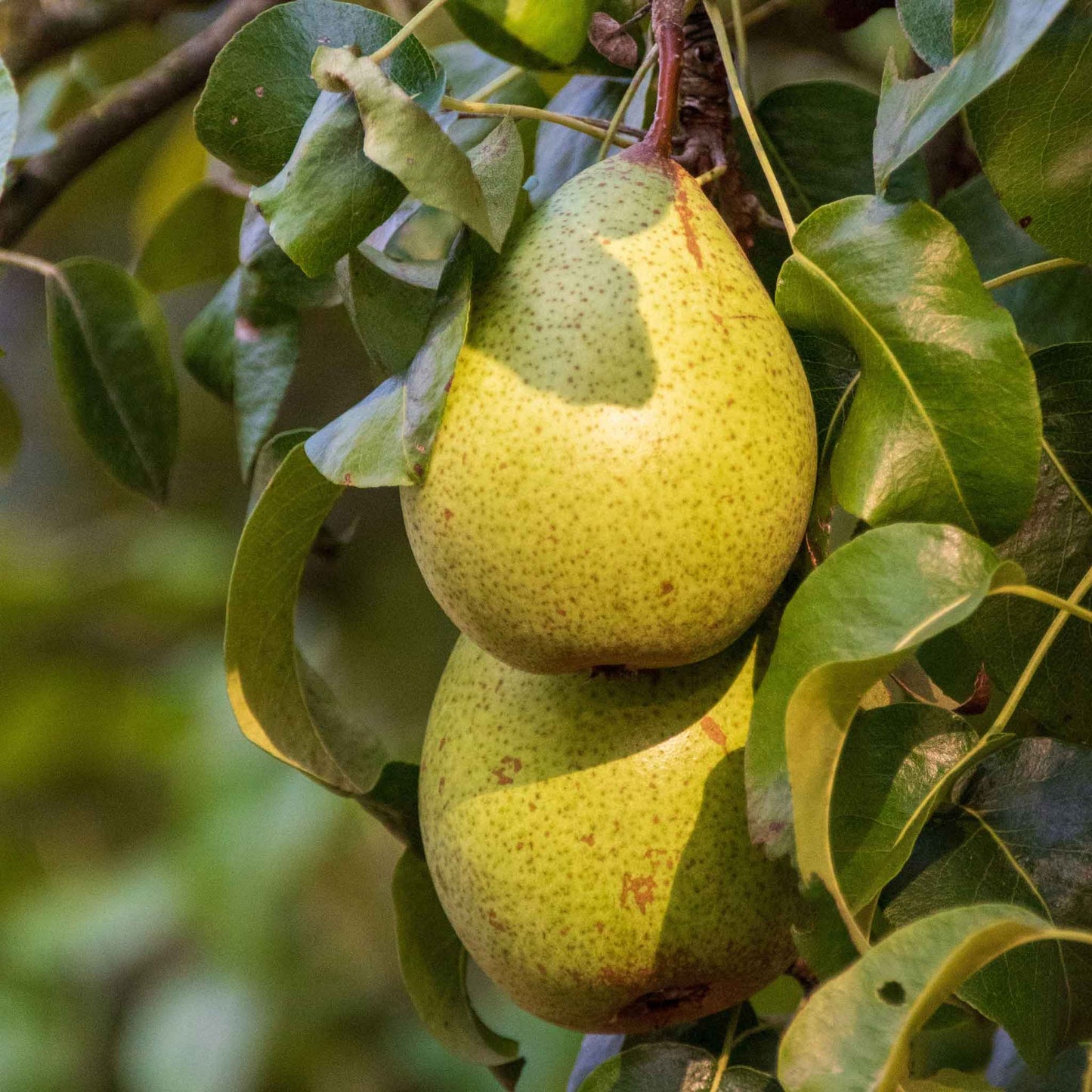
Tough, productive, and remarkably forgiving, Kieffer is the heirloom pear that keeps delivering through cold winters, Southern heat, and challenging growing conditions. The Kieffer Pear Tree produces heavy crops of firm, aromatic fruit with a distinctive spicy-sweet flavor that mellows beautifully after harvest. Exceptionally dependable and resistant to fire blight, these old-fashioned pears shine in baking, canning, preserves, pear butter, and spiced recipes.

This item is excluded from coupon codes and site-wide promotions.

Available across most of the U.S. — except AK, AR, AZ, CA, HI, ID, LA, OR, WA.

  • • For fresh eating, allow pears to sweeten indoors after harvest
  • • Tolerates both hard winters and Southern heat
  • Partially self-pollinating; fruitful alone, better in pairs

Planting Information

PLANTING SEASON

  • Spring
  • Fall

PLANTING DEPTH

  • Plant at the same depth as the nursery container

WATER NEEDS

  • Average

PLANT SPACING

  • 15 to 20 feet

HARDINESS ZONES

  • 4
  • 5
  • 6
  • 7
  • 8
  • 9

Planting Guide

recommended growing zone View our Pear Tree Planting Guide to learn more.

Companion Plants

1 of 3

Kieffer Pear Tree FAQs

How does a Kieffer pear taste, and how is it different from a grocery-store pear?

Kieffer has a firm, crisp, slightly grainy flesh with an aromatic, spicy-sweet flavor, coarser and more rustic than the soft, buttery Bartlett-type pears. That texture is exactly what makes it shine for canning, baking, preserves, and spiced pears, where it holds its shape instead of turning to mush.

Do I need a second pear tree to get fruit?

Not strictly. Kieffer is largely self-fruitful and will set a crop on its own, which makes it a great choice if you only have room for one tree. That said, planting a compatible second pear variety nearby will improve pollination and give you a heavier harvest.

How soon will it start bearing fruit?

Pear trees take a few years to settle in before fruiting, and young trees naturally put their early energy into roots and branches. Be patient through the establishment period; once Kieffer begins bearing, it becomes one of the most consistently heavy-producing pears you can grow.

Can I grow Kieffer in a cold climate?

Yes. It is hardy down to USDA zone 4 and tolerates hard winters far better than most European pears. Just as usefully, its low chill requirement lets it also fruit reliably in the warm South, all the way to zone 9, which is a span few pears can match.

Why is my pear tree dropping fruit or showing blackened shoots?

A light early "June drop" of small fruit is normal as the tree sheds what it cannot carry. Blackened, scorched-looking shoot tips that curl like a shepherd's crook are a sign of fire blight; Kieffer resists it well, but if you see it, prune well below the damage into healthy wood and sanitize your tools between cuts. Avoid heavy nitrogen feeding, which encourages the soft growth blight attacks.

When and how should I harvest, and what can I make with the fruit?

Harvest in October while the pears are still firm. Pears ripen best after picking, so bring them indoors and let them mellow in a cool spot until they soften slightly. The firm, spicy flesh is ideal for canning, pear butter, preserves, spiced and baked pears, and chutneys, and it keeps for weeks in cool storage.

Grown by Our Community • All pears

    1 of 0